Home upgrades can power job growth
New analysis shows that electrifying American households can meet rising data center demand while creating up to one million new jobs per year through 2030.
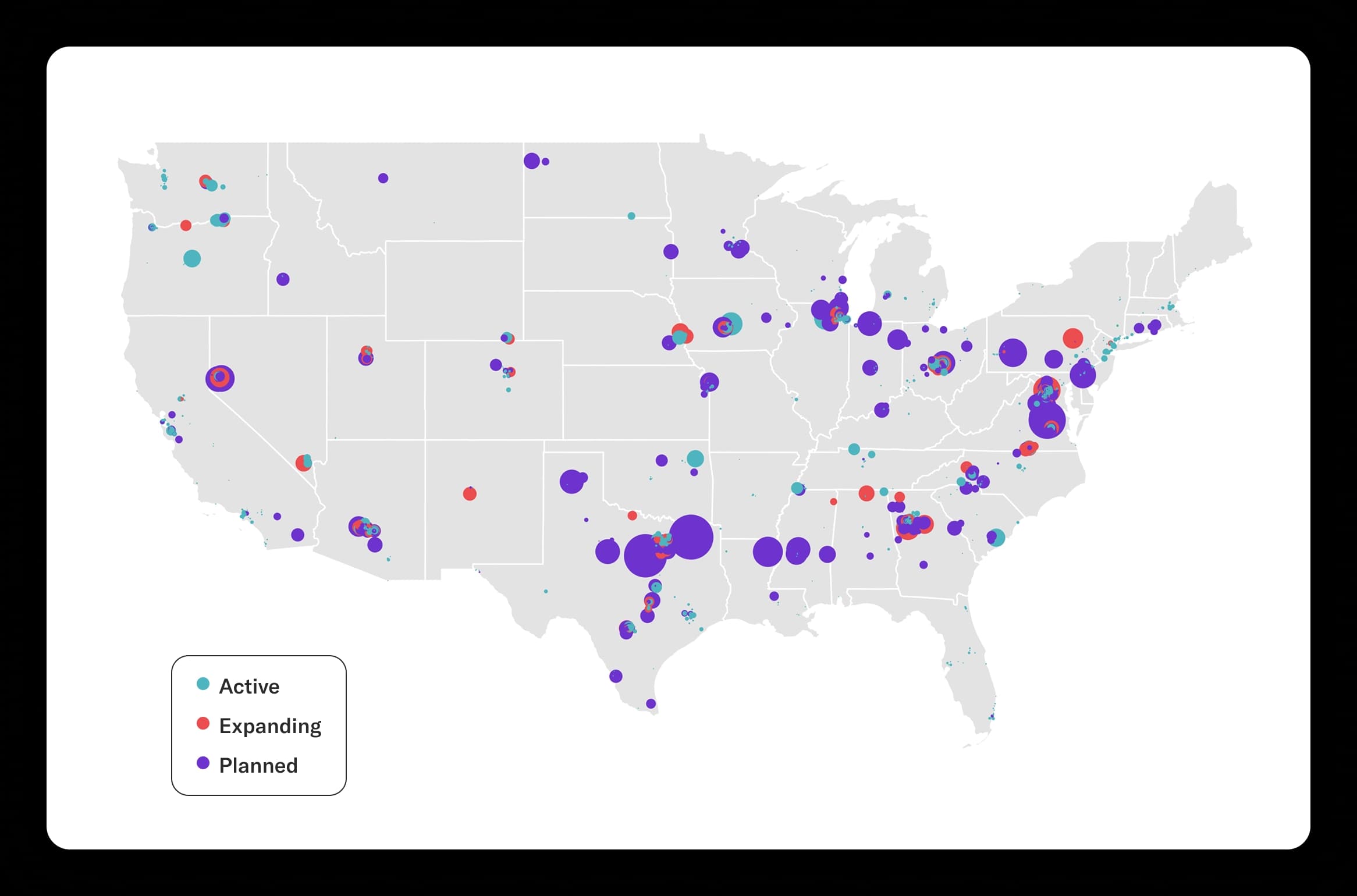
Across the country, more than 450 large data centers are projected to be built in just the next few years. Together they could add about 90 gigawatts of new demand to the grid by 2029. Communities are looking at this surge in construction and asking a fair question: what is in it for us? Who benefits, and who pays?
In our Homegrown Energy report we showed that upgrading U.S. households with energy efficient appliances and solar plus battery storage could create more than enough capacity to meet the rising electricity demands of large data centers over the next five years. By upgrading inefficient home appliances and installing rooftop solar and storage, we can create room on the grid at a cost comparable to building a new fossil fuel power plant — without the pollution. This solution brings significant benefits to U.S. households in the form of resilience to power outages, health benefits from cleaner air, and energy bill savings.
Now, new analysis shows that not only does upgrading America’s households save households money, it also creates hundreds of thousands of jobs. By installing electric appliances like heat pumps and heat pump water heaters for homes with inefficient systems, as well as rooftop solar and storage, we can create up to 1.1 million new jobs each year over the next five years. You can read through our methodology here.
These new jobs, especially in HVAC installation and electrical work, would represent significant increases in labor markets. There are currently around 800,000 electricians and 400,000 HVAC mechanics and installers working in the country today, and demand for new professionals is growing, as existing skilled trades workers reach retirement, according to the Bureau of Labor Statistics. Building a workforce to meet this demand will require businesses to expand, workers to train up, and new talent to enter the trades. That is already happening. Gen Z and younger Americans are showing more interest in skilled trades than any generation in decades.
Every heat pump that’s installed, every rooftop covered in solar panels, and every water heater replaced with a more efficient model will create more jobs in American communities. And these are jobs that can’t be outsourced. Most will be in the skilled trades: electricians, HVAC technicians, plumbers, and solar installers who live and work in the neighborhoods they serve. A smaller share will come from manufacturing and supply chains that keep these upgrades moving into American homes. These are all jobs that are a net increase over the smaller number of jobs that would be created if we met these same electricity demand increases with fossil fuel electricity generation.
To support the electrification workforce, Rewiring America recently launched our National Contractor Network alongside BetterHVAC Alliance to connect households with trusted contractors who can deliver high-quality electrification projects. The intention behind the program is to align consumer demand with contractor readiness. One of the primary challenges households run into when beginning their electrification journey is identifying a trusted contractor who is available and capable of completing projects to the highest industry standards. This program is a win-win for homeowners and contractors: homeowners are connected with a trusted contractor, and contractors gain access to motivated customers.
Our initial Homegrown Energy report showed how household electrification upgrades can bring significant benefits to families and the grid alike. This new analysis demonstrates how by creating local jobs in the skilled trades, these upgrades can benefit communities, too.